
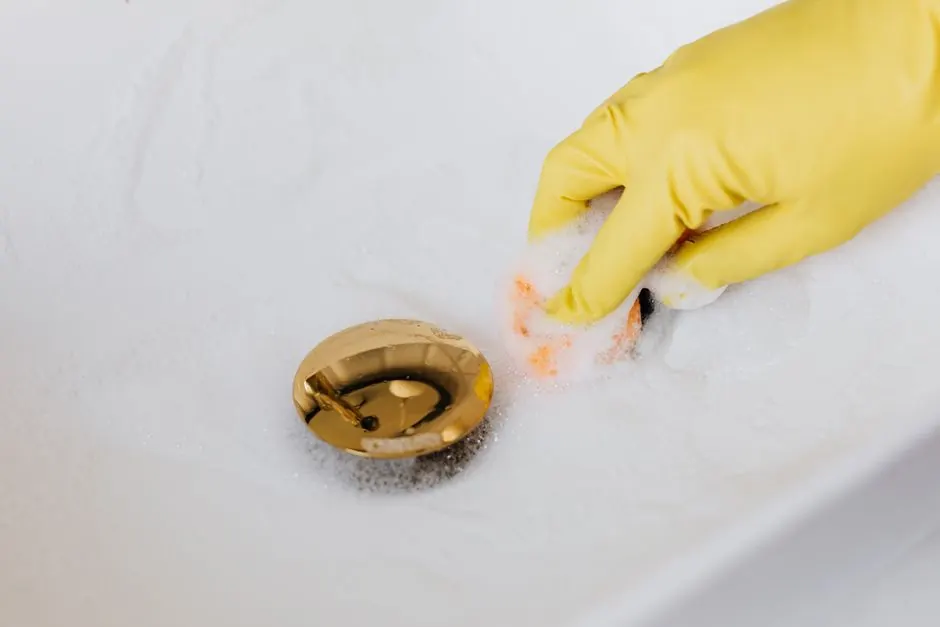
A drain backup in your Tucson home can be a frustrating and unsanitary issue. Cleaning a drain backup effectively involves identifying the cause and taking the right steps to resolve it. This article will guide you through the signs of a drain backup, methods to clean it, tips to avoid common mistakes, and when to call a professional.
Drain backup cleanup is the process of addressing blockages in your plumbing system that prevent wastewater from flowing freely. This can lead to unpleasant odors, unsanitary conditions, and potential damage to your home.
Signs of a drain backup
Recognizing the signs of a drain backup early can help you mitigate damage. Common indicators include:
- Slow draining sinks or tubs
- Unpleasant odors coming from drains
- Gurgling sounds in pipes
- Water pooling around floor drains
- Multiple fixtures backing up at once
If you notice any of these signs, it's essential to act quickly to prevent further issues.
How to clean a drain backup
Cleaning a drain backup involves several steps. Follow this process to address the blockage effectively:
1. Gather your tools
Before starting, gather the necessary tools and supplies:
- Plunger
- Drain snake or auger
- Bucket
- Gloves
- Plumbing snake lubricant (optional)
- Vinegar and baking soda (for natural cleaning)
2. Use a plunger
Start by using a plunger on the affected drain. Ensure there's enough water in the sink or tub to cover the plunger's cup. Create a seal and plunge vigorously for about 30 seconds. This can help dislodge minor blockages.
3. Try a drain snake
If plunging does not work, use a drain snake. Insert the snake into the drain and twist it to break up the clog. Pull out any debris you encounter. This method is particularly effective for hair clogs or other solid blockages.
4. Use vinegar and baking soda
A natural method involves pouring a cup of baking soda followed by a cup of vinegar down the drain. Let it sit for about 30 minutes, then flush with hot water. This can help dissolve organic matter and minor clogs.
5. Flush with hot water
After using any method, flush the drain with hot water. This helps clear any remaining debris and ensures the drain is flowing freely.
6. Consider professional help
If the backup persists, you may need professional Emergency Sewage Cleanup in Arizona. Persistent backups can indicate deeper plumbing issues requiring specialized equipment and expertise.
Common mistakes to avoid
When dealing with a drain backup, avoid these common mistakes:
- Using excessive force with a plunger, which may damage pipes.
- Ignoring recurring issues, which can lead to more severe plumbing problems.
- Using chemical drain cleaners, which can harm your plumbing and the environment.
- Neglecting to wear gloves and protective gear when cleaning.
- Failing to identify the source of the backup before attempting to clean.
When to call a professional
If you've attempted to clean the drain backup without success, it's time to call a professional. Issues like tree root intrusions, collapsed pipes, or severe blockages require expert intervention. Arizona Sewage Cleanup Pros can provide the necessary assistance. We offer comprehensive Drain Backup Cleanup in Arizona services to ensure your plumbing system is restored.
Frequently Asked Questions
1. How much does it cost to clean a drain backup? The cost of cleaning a drain backup in Tucson typically ranges from $100 to $300, depending on the severity of the blockage and the methods used.
2. How long does it take to clean a drain backup? Cleaning a drain backup usually takes between 30 minutes to two hours, depending on the complexity of the issue.
3. Can I prevent drain backups? Yes, regular maintenance, including professional Sewage Extraction in Arizona and avoiding flushing inappropriate items, can help prevent backups.
4. What should I do if sewage backs up into my home? Immediately stop using water fixtures, contain the sewage, and contact a professional service for Sewage Disinfection in Arizona.
5. Are drain snakes safe for my plumbing? Yes, drain snakes are generally safe when used correctly. However, excessive force can damage pipes, so proceed carefully.